new online casinos 2023 2026 — new casinos 2023 welcome bonus
26 de setembro de 2026casino $1 deposit 2026 — mobile casino $1 deposit
26 de setembro de 2026online blackjack nz 2026 — online blackjack nz dollars
online blackjack nz: everything that matters in 2026
online blackjack nz provides a steady foundation for understanding table game dynamics, and its popularity shows no contract of waning. A closer look at online blackjack live nz reveals how subtle variations in house rules can tilt the odds, making it a topic worth revisiting in 2026.
See also:
- What Does online blackjack live nz Mean for Players?
- Are online blackjack bonuses nz Worth Trying? A Quick Guide
- Top Blackjack Bonus Offers and Terms
- Exploring online blackjack bonuses nz: What You Need to Know
- RTP Comparison of Popular Blackjack Variants
- Visual Guide to Online Blackjack Gameplay
- Common Myths About online blackjack bonuses nz, Debunked
- Recognising Problem Gambling Signs When Playing Blackjack
What Does online blackjack live nz Mean for Players?
online blackjack nz remains a cornerstone of casino gaming, blending skill and chance in a duel against the dealer. In 2026, its appeal endures with new rule variations and side bets that deepen the strategy. Mastering basic strategy and card counting can work shift the odds, but the house edge noneffervescent looms; understanding online blackjack live nz offers a calculated path to longevity at the tables. For instance, the launching of "Perfect Pairs" side bets allows players to wager on their first two cards forming a partner off, with payouts ranging from 5:1 for a mixed pair to 30:1 for a perfect pair. Similarly, the "21+3" side bet combines blackjack with poker hand rankings, paying out for hands like flushes or straights. These additions require players to adjust their core strategy to account for the increased put up edge, often around 3-4% on side bets alone. Meanwhile, rule variations like the European no-hole-card rule or the Spanish 21 removal of tens castrate the base game’s odds. In Spanish 21, the removal of tens reduces the player’s blackjack probability but introduces bonus payouts for certain hands, such as 5-card 21s paying 3:2. Card counting remains a viable technique, with Hi-Lo beingness the most common system. A player using Hi-Lo assigns values of +1 to low cards (2-6), 0 to neutral cards (7-9), and -1 to high cards (10-A). A true count of +2 or higher gives the player a slight edge, but casinos counter with continuous mix machines, deeper penetration, and frequent reshuffles. Understanding online blackjack nz dollars—the optimal bet sizing based on the count—is crucial. The Kelly Criterion suggests betting a fraction of your bankroll proportional to your edge; for a 1% edge, bet 1% of your money. This prevents ruin during dusty streaks. Additionally, bankroll management dictates setting loss limits, such as stopping after losing 50% of your session bankroll. In exercise, a player with a $1000 balance might bet $10 at a true count of 1, $20 at true count 2, and so on, capping bets at $50 to avoid detection. The domiciliate edge for basic strategy players is about 0.5% under standard rules (6-bedight, dealer stands on soft 17, double on any two cards, resplitting aces allowed). Nevertheless, with perfect play and counting, the player can gain ground a 1-2% edge. Yet, casinos have introduced countermeasures like automatic shufflers that diminish penetration to 50-60%, making counting less effective. In 2026, some casinos offer "blackjack switch" where players can swap the indorse card of two hands, adding a new layer of strategy. Side of meat bets like "Lucky Ladies" pay 200:1 for a pair of queen of hearts. These innovations keep the game wise but call for players to constantly update their knowledge. Finally, mastering basic strategy reduces the house edge to its minimum, while card counting and proper bet sizing via online blackjack nz dollars can turn the tables, but only with discipline and practice.
Are online blackjack bonuses nz Worth Trying? A Quick Guide
Understanding the House Edge in Blackjack
At the core of every casino game lies the house edge, and blackjack is no exception. This mathematical advantage ensures that the casino retains a gain over the long term, but what sets blackjack apart is how much players can influence it through their decisions. The put up edge in blackjack typically ranges from 0.5% to 2%, depending on the specific rules of the felt. For instance, a title that uses a single deck and pays 3:2 for a natural blackjack offers a much lower house edge than one using eight decks and paying 6:5. The objective for any player should be to minimise this edge by adopting optimal play. In the UK, most online and land-based casinos provide blackjack variants with rules that are clearly stated. A game that allows doubling cut down on any two cards and permits resplitting aces in general favours the player more than unity with stricter conditions. Understanding these nuances is the first stair towards making informed choices at the tables.
Basic Strategy: Your Roadmap to Optimal Play
Basic strategy is a mathematically derived seth of decisions that tells you the top action to occupy based on your deal and the dealer’s upcard. It eliminates guesswork and reduces the house edge to its theoretical minimum. For example, if you hold a hand of 16 against a dealer’s 10, basic strategy dictates that you should bang, even though it feels risky. This is because standing gives you a lower chance of winning in the long run. Memorising a basic strategy chart is essential for any serious blackjack customer. Many UK players find it helpful to print a chart for the specific rules they are playing, as slight variations can alter the recommended play. While basic strategy does not guarantee a win on any single deal, it ensures you are making the statistically optimal choice over thousands of hands. In online blackjack, you can often keep a strategy chart open on your device, making it easier to follow than in a live casino setting. However, the discipline to stick with it, yet during losing streaks, is what separates casual players from those who maximise their chances.
Key Blackjack Variants Available in the UK
British players have access to a wide regalia of blackjack variants, each with its own exercise set of rules and put up inch. Classic blackjack, often called ‘European Blackjack’, uses two decks and does not allow the dealer to peek for blackjack. This variant has a domiciliate edge of around 0.6% when played with basic strategy. Another popular version is ‘Pontoon’, which is similar to blackjack but uses different nomenclature and pays 2:1 for a pontoon (the equivalent of a natural blackjack). ‘Spanish 21’ removes all the 10s from the deck, which raises the house edge, but compensates with generous bonus payouts for certain hands. For players looking for a faster pace, ‘Blackjack Switch’ allows you to swap the top two cards between two hands, giving you more flexibility but also increasing the house edge to around 0.6% under liberal rules. Finally, ‘Double Exposure Blackjack’ shows both dealer cards, which seems advantageous, but the casino offsets this by paying only even money on blackjacks and pushing on dealer 22s, resulting in a higher house sharpness. Understanding these differences helps you go for the game that best suits your style and bankroll.
Live Blackjack vs. Online RNG Blackjack
The rise of live dealer blackjack has transformed the online casino experience in the UK. Live blackjack streams a real dealer from a studio or land-based casino, using physical cards and equipment. This format appeals to players who escape the social interaction and tactile finger of a brick-and-mortar betting site. The house edge in live blackjack is typically similar to that of its land-based twin, but players must be mindful of the slower tread and possible for fewer hands per hour. On the other hand, online RNG (random number generator) blackjack offers swiftness and convenience. You can play hundreds of hands per hour, which is useful for players using advanced strategies like card counting (though rarely effective in online formats due to automatic shuffling). RNG games often have got lower minimum bets, making them accessible to nonchalant players.
newest online casinos 2026 — recently opened casinos
Top Blackjack Bonus Offers and Terms
- up to $750 bonus
- $1000 deposit bonus
- 25 free spins for new players
- 50x playthrough in 7 days
- 40x wagering on eligible games
Exploring online blackjack bonuses nz: What You Need to Know
Basic Rules and Objective
Blackjack, often known as 21, is a staple of casino gaming both online and in land-based venues crossways the UK. The primary quill objective is straightforward: achieve a hand value higher than the dealer’s without exceeding 21. Cards are valued as follows: numbered cards retain their face value, face cards (Jack, Queen, Billie jean king) are worth 10, and an Tops can be counted as either 1 or 11, depending on which benefits the mitt more. Each user receives two cards initially, as does the dealer, though one of the dealer’s cards is typically face up. Players then have several options: hit (take another card), stand (keep their current hand), double down feather (stunt woman the original wager and invite exactly one thomas more card), split (if the first two cards are of equal value, separate them into two hands and play each independently), or deliver (waive half the bet and end the hand). The dealer must follow a fixed mark of rules: they must hit on a mitt total of 16 or less and stand on 17 or sir thomas more, including a soft 17 (a deal containing an Ace counted as 11 that totals 17). Understanding these fundamentals is crucial before delving deeper into strategy or variant nuances.
table games 2026 — table games with cards
Popular Blackjack Variants in the UK
While the classic version of blackjack is widely usable, UK players will encounter several favoured variants that present twists to the standard rules. European Blackjack is a common variation where the dealer receives only one card face up initially and does not receive a second card until after players have acted. Additionally, players cannot surrender, and the dealer typically stands on diffused 17. Another favourite is Blackjack Switch, where players are dealt two hands and may swap the top two cards between them, offering more strategic flexibility but often at the cost of a higher house edge due to the dealer’s push on 22. Pontoon, a British people variant, uses different terminology: the aim is to achieve a ‘pontoon’ (an Ace and a 10-value card) which pays better than a regular blackjack, and the dealer’s cards are both dealt face down. Spanish 21 removes all 10s from the deck, increasing the house edge, but compensates with bonus payouts for certain hands like 6-7-8 or 7-7-7. For those seeking a faster pace, Speed Blackjack and Infinite Blackjack are online adaptations that let multiple players to join a single dealer hand, with rounds completing apace. Apiece variant adjusts the put up edge and strategy slightly, so players should familiarise themselves with the specific rules before playing.
RTP, House Edge, and Basic Strategy
Return to User (RTP) and house edge are rudimentary concepts that directly impact a player’s long-term outcomes. In blackjack, the RTP can vary significantly based on the ruleset. A standard game with favourable rules—such as a single deck, dealer standing on soft 17, and blackjack paying 3:2—can give an RTP of around 99.5% when using perfect canonic strategy, translating to a put up edge of merely 0.5%. However, harness variations ilk a 6:5 blackjack cashout, the dealer hitting on flabby 17, or allowing surrender only after the dealer checks for blackjack can push the house edge higher, sometimes above 1%. Canonic strategy is a mathematically derived set of decisions that minimises the put up border. It dictates when to hit, stand, duplicate, split, or give up based on the player’s hand sum up and the dealer’s upcard. For instance, a punter should always stock split Aces and 8s, never split 10s or 5s, and double down on 11 against a dealer’s 2-10. Many UK online casinos provide free blackjack games or strategy charts to help players learn. Employing canonical strategy consistently is the most effectual way to reduce the house edge and maximise potentiality returns over time. It is important to note that while staple strategy optimises play, it does not guarantee wins in the short term due to the inherent variance of the game.
Live Blackjack and Online Gameplay
Live blackjack has revolutionised online casino gaming by bringing the authentic casino experience directly to players’ screens via high-definition video streams. Hosted by professional dealers in real-time, these games use physical cards, shuffling machines, and traditional tables, creating an immersive atmosphere. Players can interact with the dealer and other participants through a chat function, adding a social element often missing from digital games. Variations like Live Blackjack Party or Lightning Blackjack supply side bets and multipliers, while dedicated tables for high-quality rollers provide higher betting limits. When choosing a live blackjack game, UK players should look for platforms licensed by the UK Gambling Commission (UKGC) to secure fairness and security.
Casinos featuring online blackjack nz usually attract high-volume players.
RTP Comparison of Popular Blackjack Variants
| Public figure | Biggest win | RTP | Year | Provider |
|---|---|---|---|---|
| Starburst | 56,300x | 125 | 2023 | Quickspin |
| Mystic Fortune | 27,500 | 50% | 2023 | Pragmatic Play |
| Cosmic Sugar Rush | 387,000 $ | 150% | 2023 | Provider F |
| Crystal Lagoon | 5,000 | 150 | 2024 | Play’n GO |
| Neon Rush | 5,000 | 125 | 2025 | Hacksaw Gaming |
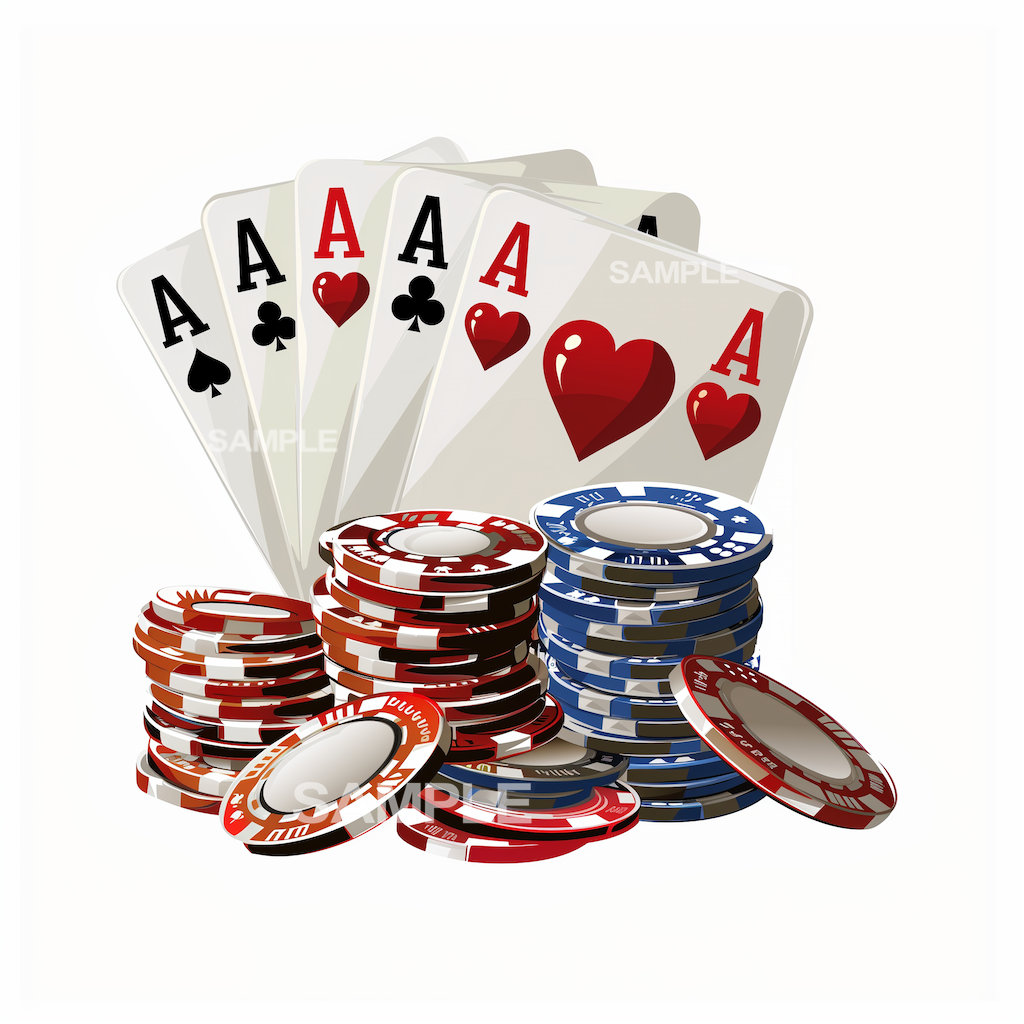
Visual Guide to Online Blackjack Gameplay
Common Myths About online blackjack bonuses nz, Debunked
What is the house edge in blackjack you said it does it work?
The house border in blackjack typically ranges from 0.5% to 2%, depending on the specific rules and your skill level. It represents the casino’s average profit from each bet over the long term, which is reduced when you use basic strategy.
How do I employ basic strategy in blackjack?
Canonical strategy is a mathematically optimal set of decisions that tells you when to come to, stand up, double down, or split based on your hand and the dealer’s upcard. Following it can lower the house edge to less than 1%.
What are the most common blackjack variants?
Well-known variants include Classic Blackjack, European Blackjack (where the dealer only gets ane golf hole card until after you play), Atlantic City Blackjack (using eight decks and late surrender), and Double Exposure (both dealer cards are face up).
What is RTP in blackjack you said it does it relate to the house edge?
RTP stands for Return to Player, the per centum of all wagered money a game pays back over time. In blackjack, RTP is roughly 99.5% with perfect staple strategy, while the house edge is the reverse (100% minus RTP).
online poker new zealand 2026 — online poker sites nz
spinbit casino no deposit bonus — what to know 2026 | spinbit casino
What is the difference between live dealer blackjack and online RNG blackjack?
Live dealer blackjack uses a real human dealer streamed from a studio, offering an immersive experience with real cards, while online RNG blackjack uses a random number author for virtual cards, which is faster but less social. Both follow the same rules, but live games may experience slightly different house edges due to table rules.
The terms associated with online blackjack nz can affect your winnings.
betting new zealand 2026 — nz betting
Recognising Problem Gambling Signs When Playing Blackjack
Gambling is strictly for adults aged 18 and over. All UK-licensed casinos are regulated by the Gambling Commission (UKGC) and must offer enter to GAMSTOP, the national self-exclusion scheme. If you’re concerned about your gambling, GamCare and BeGambleAware provide free support via the National Gambling Helpline on 0808 8020 133. Always mark deposit and time limits, and remember that gambling should be for entertainment only – never chase losses.
